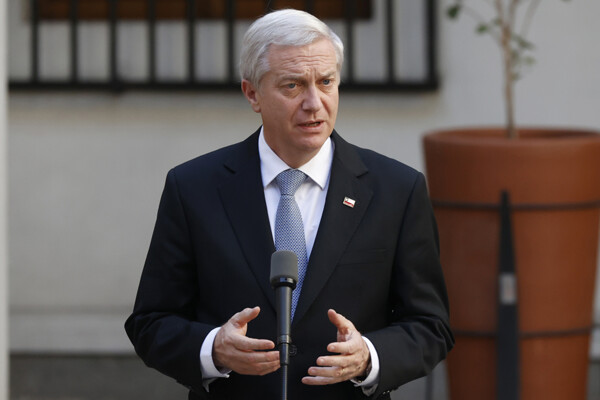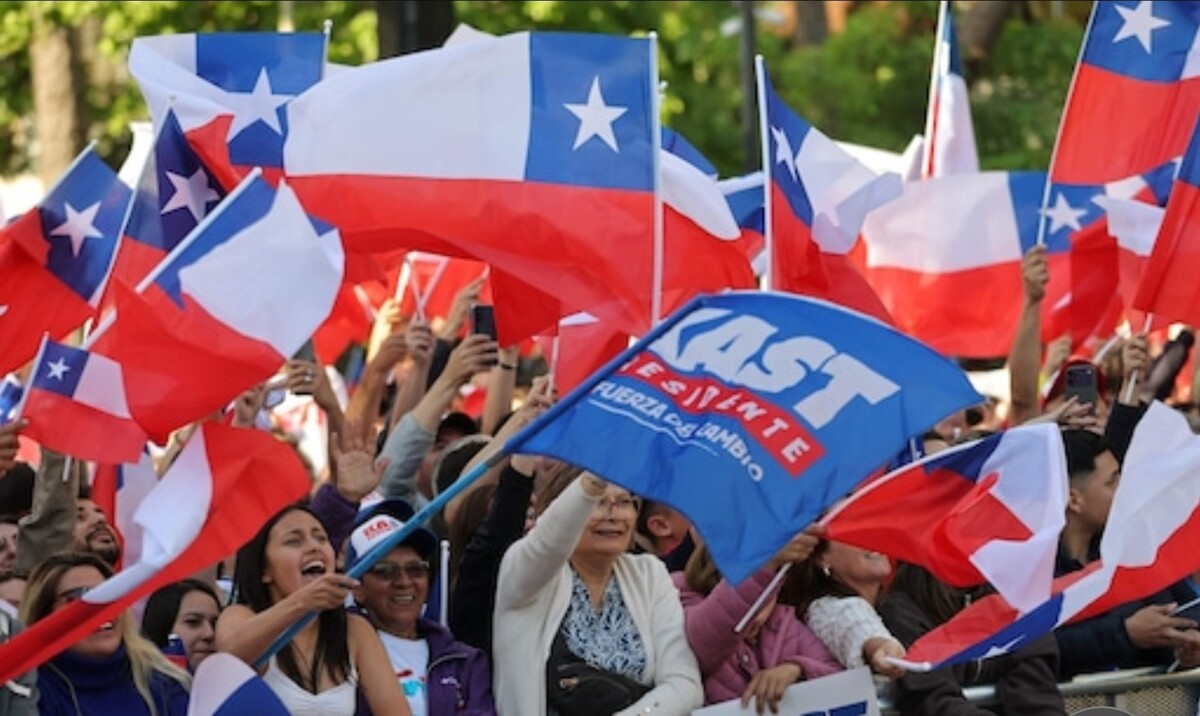
Santiago, December 14, 2025 - Total News Agency - TNA - José Antonio Kast won this Sunday in the second round of the Chilean presidential election with a comfortable margin over Jeannette Jara and sealed the return of the right to power starting from the next change of command. In his closing message, he stressed the need to preserve democratic coexistence, assumed the result, and communicated with the elected president to congratulate him, in a gesture aimed at ordering a transition that is anticipated to be intense due to the magnitude of the political shift. Kast's victory opens a new cycle for Chile with immediate challenges. Kast capitalized on that agenda with a tough discourse: more attributions for the security forces, stricter border policies, and a pro-market signal aimed at recovering investment and growth. On the other side, the candidate of the officialism —former Minister of Labor of the government of Gabriel Boric— failed to sustain the initial momentum and ended up publicly acknowledging her defeat. First, the design of the cabinet and the signal it will send to the markets and the international community: his allies and his own coalition are pressing for the program to quickly translate into legislative initiatives, while moderate sectors observe how far he will go on sensitive issues, from migration policies to cultural debates. Second, the parliamentary map: although the right is strengthened, Kast will have to negotiate in a Congress without automatic majorities, which could moderate or delay some of his most ambitious projects and force him to weave agreements with swing blocs. On the economic front, the new elected president promises an approach of fiscal discipline, reduction of regulations, and incentives for private investment, with the argument that the Chilean economy needs to recover dynamism and predictability. During this period, two key signals will be measured: whether Kast confirms a tone of 'emergency government' with high-impact announcements, and if his coalition shows a real capacity for governance in a country that, after years of social tensions and constituent debates, is turning the rudder back to the right with a clear mandate at the polls. For the progressive side, the result serves as a warning: the identity agenda and structural reforms lost centrality against daily insecurity and economic discontent, and the reconstruction of the block will depend on its ability to offer concrete answers without deepening polarization. At the regional level, Kast's victory will be read as a milestone in the trend of alternation and hardening discourse in several countries, with potential effects on migration coordination, police cooperation, and investment climate. On migration, the message was explicit: greater border control and hardening of measures to combat human trafficking networks and associated crimes, a topic that also runs through the regional agenda. The defeat of the officialism leaves Boric with the final stretch of his term in a scenario of political retreat, with internal tension in the left over the direction of the campaign and the strategy for the opposition that opens now. With the scrutiny practically concluded, the leader of the Republican Party consolidated a lead of more than fifteen points, in an election marked by mandatory voting, massive participation, and a political climate dominated by demands for public security, migration control, and economic reactivation. The election day closed with a clear turn compared to the first round: Jara had been ahead in November, but the runoff reshuffled the board around an electorate that, according to analysts and preliminary readings of the result, prioritized the promise of 'order' in a country that has been discussing for years the impact of organized crime, drug trafficking, and the deterioration of the perception of security. With the election already defined, Chile enters a transition stage until March 11, when the elected president formally assumes office. In security, the campaign discourse put the idea of 'critical zones' and a more robust state response at the forefront. For Argentina, Chile is a strategic partner in trade, energy, and trans-Andean integration; the change of political sign in Santiago will probably reconfigure priorities and styles, although the margin of maneuver will be conditioned by the Chilean Congress and the need for macroeconomic stability.