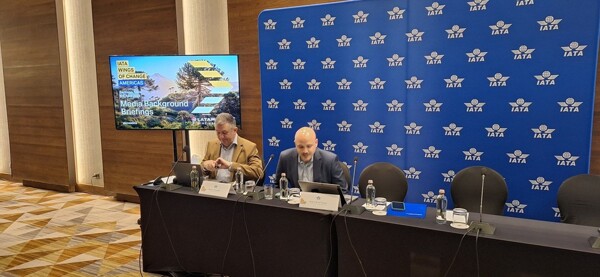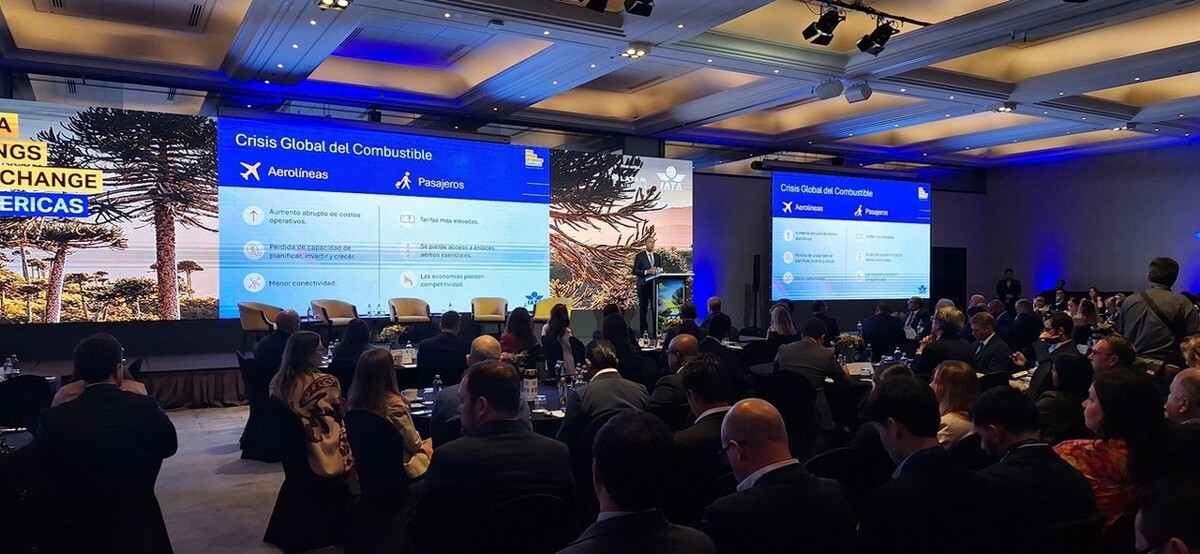
Santiago de Chile, April 8 (NA-Special Correspondent)—Amid high expectations and a return to its geographical roots, the International Air Transport Association (IATA) formally kicked off the Wings of Change Americas (WOCA) 2026 conference, with Agencia Noticias Argentinas in attendance. The opening speech by IATA's Regional Vice President for the Americas, Peter Cerdá, was marked by a duality: optimism for the region's resilient potential in the face of the harsh reality of a global energy crisis stemming from the conflict in the Middle East. The central focus of Cerdá's address was the devastating impact that Middle Eastern instability is having on the industry's operational costs. Driven by e-commerce and the export of perishable goods—such as Chilean salmon and cherries, Colombian and Ecuadorian roses, and Mexican avocados—the cargo sector has maintained steady growth over the past three years. Projections for the next 14 years are optimistic, with an expected annual growth of 3.7%. "We are already seeing fare increases," he noted, urging governments to treat aviation with the same strategic consideration as other essential modes of transport. The return of WOCA to Santiago coincides with a critical moment for local aviation. "Every flight in the Americas carries the ambition of a region determined to go further," Cerdá stated before handing over to working sessions that will define the course of air transport on the continent for the next two days. To capitalize on this opportunity, Cerdá concluded that it is imperative to align regional regulations with global standards and reduce unnecessary costs that do not add value to the end consumer. An excessive tax burden and "regulatory complexity" that stifles growth were denounced. The executive was blunt in describing an unprecedented price escalation that jeopardizes the financial sustainability of airlines. In this regard, while Crude Oil has risen from a pre-conflict level of $70 to $110 per barrel, the gap for Jet Fuel is even more alarming, currently ranging between $180 and $220 per barrel, compared to the previous $90. Given that fuel represents approximately one-third of operating costs and the sector's net margins for 2025 are projected to be below 4%, Cerdá warned that the industry has exhausted its capacity for absorption. "Aviation is not a luxury: it is a strategic engine for development and integration."