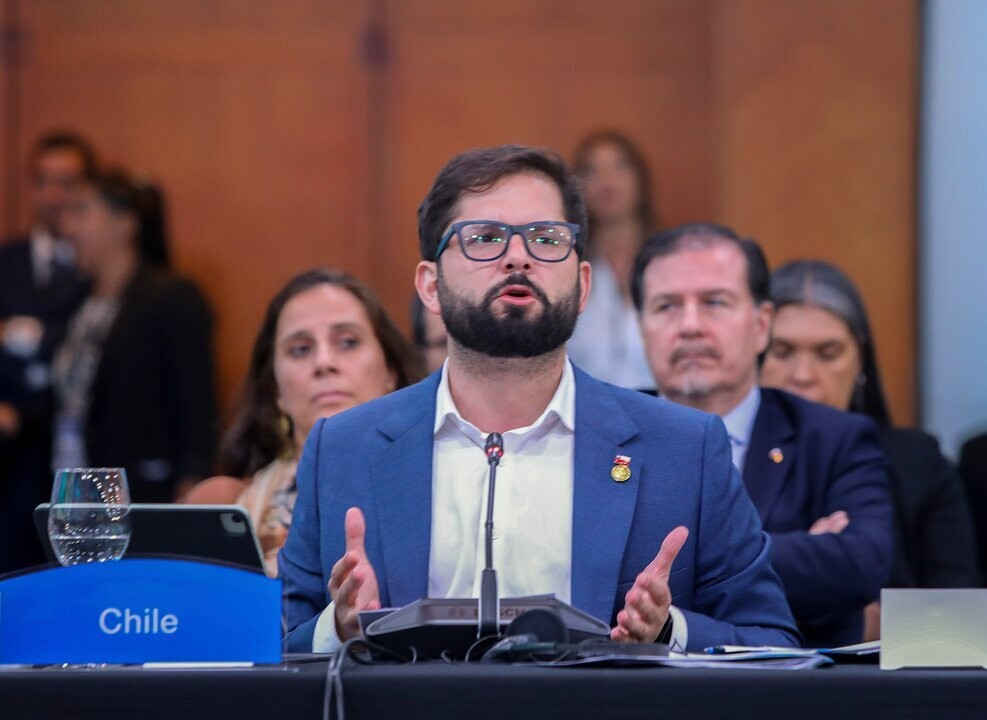
In a key step for public health, the Council of Ministers for Sustainability and Climate Change of Chile approved the update of the primary air quality standard. The measure aims to drastically reduce the population's exposure to fine particulate matter (PM2.5), one of the most dangerous pollutants due to its ability to affect the lungs and bloodstream. Chile's Minister of the Environment, Maisa Rojas, emphasized that this update is a 'fundamental tool' to ensure clean air, aligning the country with the most demanding international standards.
Details of the new regulation
New concentration limits: The annual value is set at 15 micrograms per cubic meter, while the daily limit will be 38 micrograms.
Global standardization: With these levels, Chile raises its current requirements since 2011 and aligns with the recommendations of the World Health Organization (WHO).
Progressive implementation: A five-year period was established for full entry into force, allowing for a responsible adaptation by industries and territories.
In turn, the Minister of Economy and Energy, Álvaro García, highlighted that these clear rules provide 'certainty for investment', allowing economic development to advance in tune with environmental sustainability.
The plan also contemplates advancing the Solid Biofuels Law to optimize home heating and industrial processes.