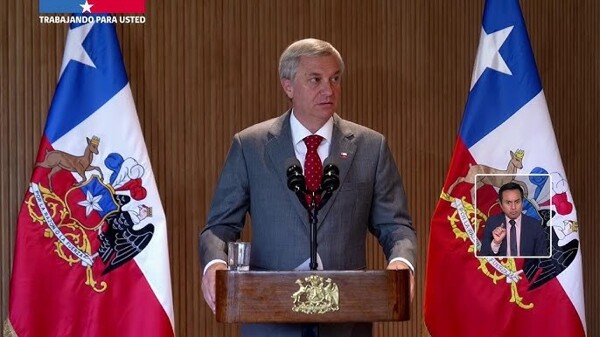
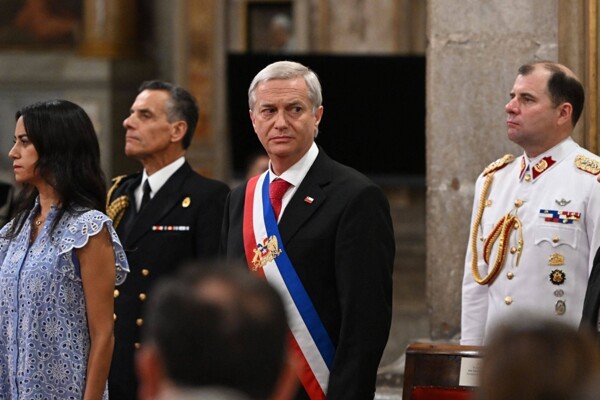
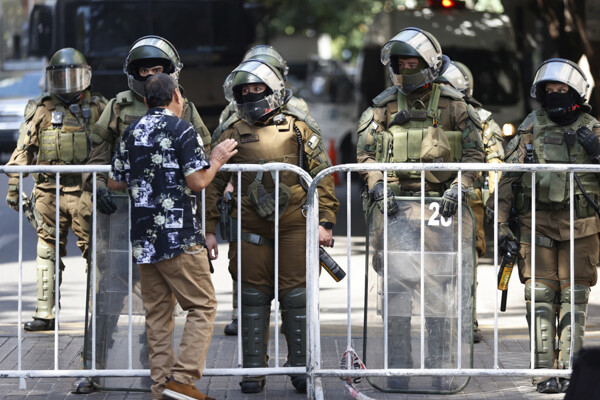
The far-right José Antonio Kast has had the shortest 'honeymoon' in recent Chilean history and completes his first month in the presidency with his approval ratings on the decline, after deploying a 'media takeover' strategy reminiscent of that of the American Donald Trump. 'It has been a great month of work,' said the founder of the Chilean Republican party to journalists on Friday. He won in December with 58% of the votes and now has an average citizen approval rating of 40% and a disapproval rate that has doubled. The decision to raise fuel prices and not use a state mechanism to cushion the increase caused by the war in the Middle East largely explains this abrupt drop, although also the high expectations the public had, according to experts. 'Flooding the zone' In his first hours in office, in an unusual gesture in Chilean tradition, Kast signed a battery of decrees, including one instructing a total audit of the previous administration of progressive Gabriel Boric. Since March 11, the far-right politician has traveled to the northern border to begin construction of his promised anti-migration strip and has said he is considering pardoning police officers convicted of human rights violations during the 2019 marches. He has also ordered all Ministries to cut 3% of their budget and withdrawn dozens of decrees that were in the pipeline for review, such as the one protecting the Humboldt penguin or the National Human Rights Plan. Among the measures, he has removed Chile's support for former President Michelle Bachelet's candidacy at the UN and announced a bill with 40 measures, which he has not yet presented to Parliament and which include a corporate tax cut, adjustments to university education gratuity, or the temporary elimination of VAT for home purchases. This last week, he has also announced a battery of measures to curb violence in schools, such as backpack checks. 'He is applying the strategy created by Steve Bannon (former Trump advisor), which is known as 'flooding the zone' and consists of saturating the media agenda, confusing the opposition and preventing any crisis from consolidating,' explained Alejandro Olivares of the University of Chile to EFE. The risk, he pointed out, is that it can end up transmitting 'a sense of overactivity without prioritization and an image of great disorder in the Government.' 'This strategy not only confuses the opposition, but also the Government. Here, Chile Vamos is a relevant actor and there is confusion in its ranks,' indicated Mario Herrera Muñoz of the University of Talca to EFE. Historic fuel hike Father of 9 children and declared anti-abortionist, Kast is the first far-right president to come to power in a democracy and to support the military dictatorship. In his campaign, he pledged not to wage the 'cultural battle' and to create an 'emergency government' to solve the three 'crises' he believes Chile is facing (crime, irregular migration, and the economy), something that, according to Herrera Muñoz, he has not fulfilled. 'The agenda today is filled with announcements, but it has not revolved around any of these three problems,' pointed out the academic, who declared that Kast's loss of approval is explained mainly by the disenchantment of those citizens who voted for him without being very convinced. The great turning point occurred on March 23, when the Government announced a historic increase of almost half a dollar per liter in fuel, the biggest hike in decades. After the announcement, there were cacerolazos in some cities and long lines at gas stations across the country, and there were threats of strikes from transporters. A survey of experts by the Central Bank raised the inflation projection from 3% to 4.3% for this year due to fuels. The way of communicating the measure — 'without preparation, without gradualness, without a credible analysis and bringing up the Bachelet issue in between to divert attention' — was the problem, according to Olivares. 'In less than a month he is squandering his political capital at a rather worrying pace. If he does not manage to show some concrete results in security — his comparative advantage — the economic agenda is going to consume the debate and the Government is going to enter a spiral of disapproval that is difficult to reverse,' he concluded.