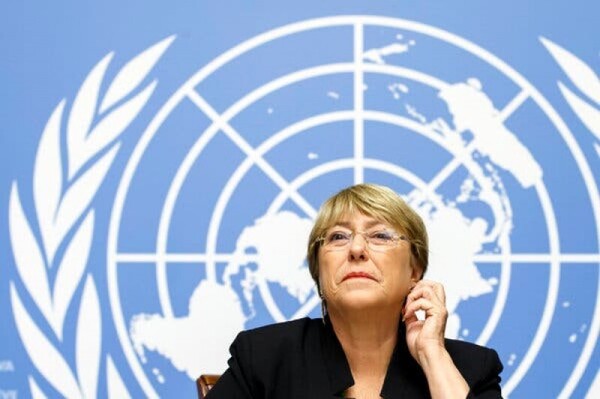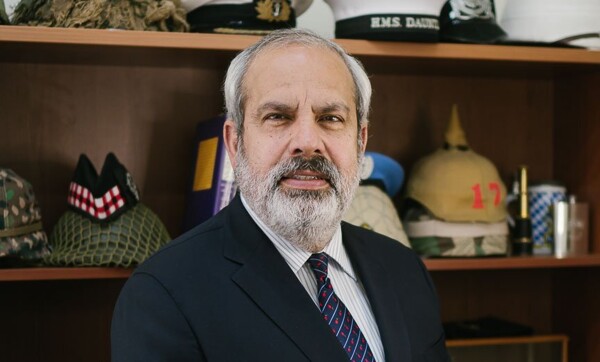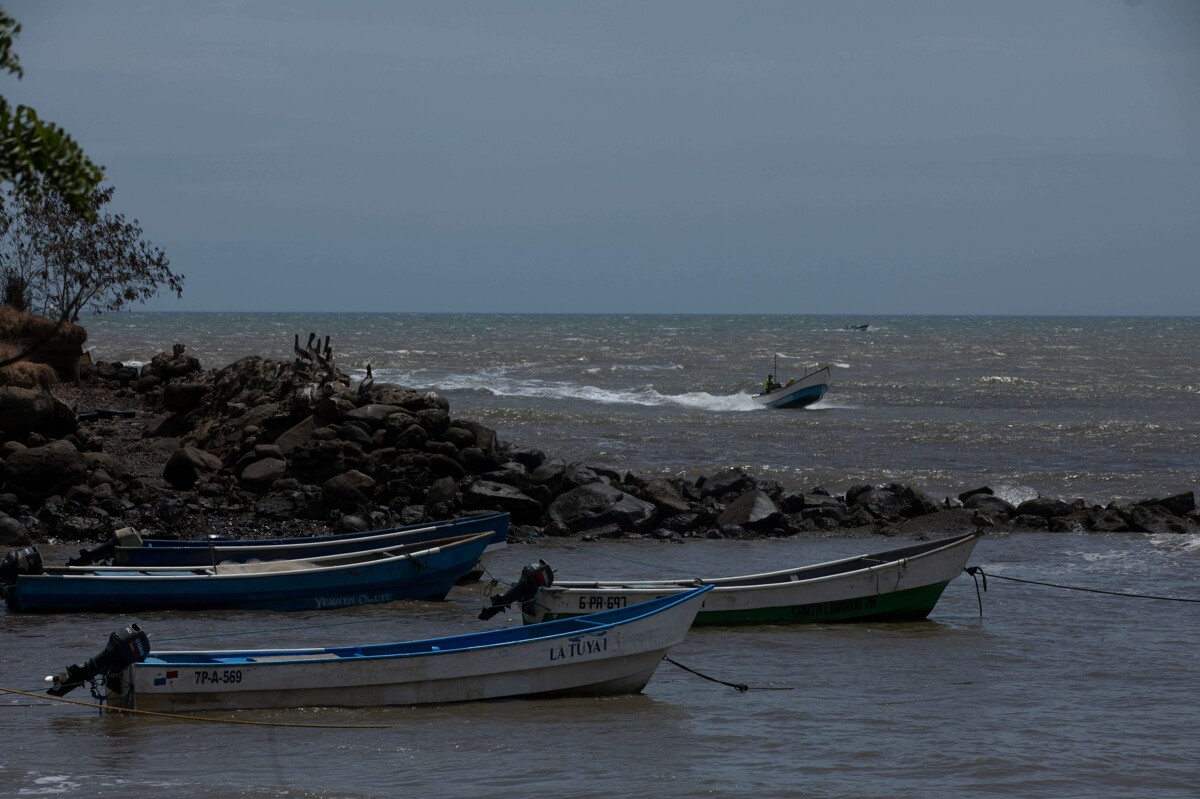
Three young explorers from Easter Island (Chile), Trinidad and Tobago, and the Cook Islands have been awarded the international Ocean Stewardship Award for their work in ocean conservation, scientific knowledge dissemination, and advocacy for traditional cultures. They advocate for the protection of the world's marine heritage. The awardees are Emilia Palma Tuki (Easter Island), Kathryn Audroing (Trinidad and Tobago), and Alanna Matamaru Smith (Cook Islands). The three explorators will receive the Ocean Stewardship Award, created in memory of Kristina Gjerde, an American oceanographer and lawyer who passed away in December 2025, who dedicated her career to ocean conservation and was one of the promoters of the BBNJ, also known as the High Seas Treaty. They live in Small Island Developing States (SIDS) that face different impacts of climate change, such as sea-level rise, increasingly impactful weather phenomena, as well as the threat of seabed mining. The ocean, an interconnected system Kathryn Audroing, a marine biologist, researcher, and science communicator from Trinidad and Tobago who works especially on the study of coral reefs and turtles, especially migratory ones like the leatherback turtle, says she likes to think of “the ocean as an interconnected system in which animals do not know the boundaries that we, as humans, establish”. She explains that the award means “to maintain the legacy of Kristina Gjerde, who worked very hard” until the development of the BBNJ, a treaty “now in force since January and in the process of implementation”; as well as providing “a great financial help to do a doctorate and allow me to create a network of scientific contacts”. Audroing, who works with local communities in Trinidad and Tobago, points out that it is necessary to “ensure that those communities are represented in the implementation of the BBNJ”, and that they will work for “equity within the treaty”. For her part, Alanna Matamaru Smith, director of the environmental NGO Te Ipukarea Society from the Cook Islands, explains that they intend to “give a voice to the ocean, especially before new threats such as deep-sea mining, an activity that could become a new industry in the ocean”, after the “grant in 2022 by the Government of permits for mineral exploration to three different companies, two American and one Belgian, that form a joint venture without the participation of the Government”. According to the director of Te Ipukarea Society, the three companies “were granted rights to carry out research in the waters of the archipelago, mainly to study polymetallic nodules (used in the tech industry) found on the plains at 4,000 meters deep”, as well as “to collect environmental data”. Her work and that of the NGO, she says, is “to educate and inform citizens and local communities about what is happening, about the possible threats and repercussions of mining”, even though “right now this issue is very politically charged” in the archipelago, located in the Pacific Ocean, between Hawaii and New Zealand. Matamuru Smith, a master's in Conservation Biology, also seeks to be “as well informed as possible about new scientific research, to ensure that we make an informed decision on how to approach this issue”. For her part, Emilia Palma Tuki, a marine biologist on Easter Island, underscores the importance of the ocean for local communities, that of marine biodiversity, and alerts to weather phenomena “with increasing impact on her territory and in increasingly shorter periods”.