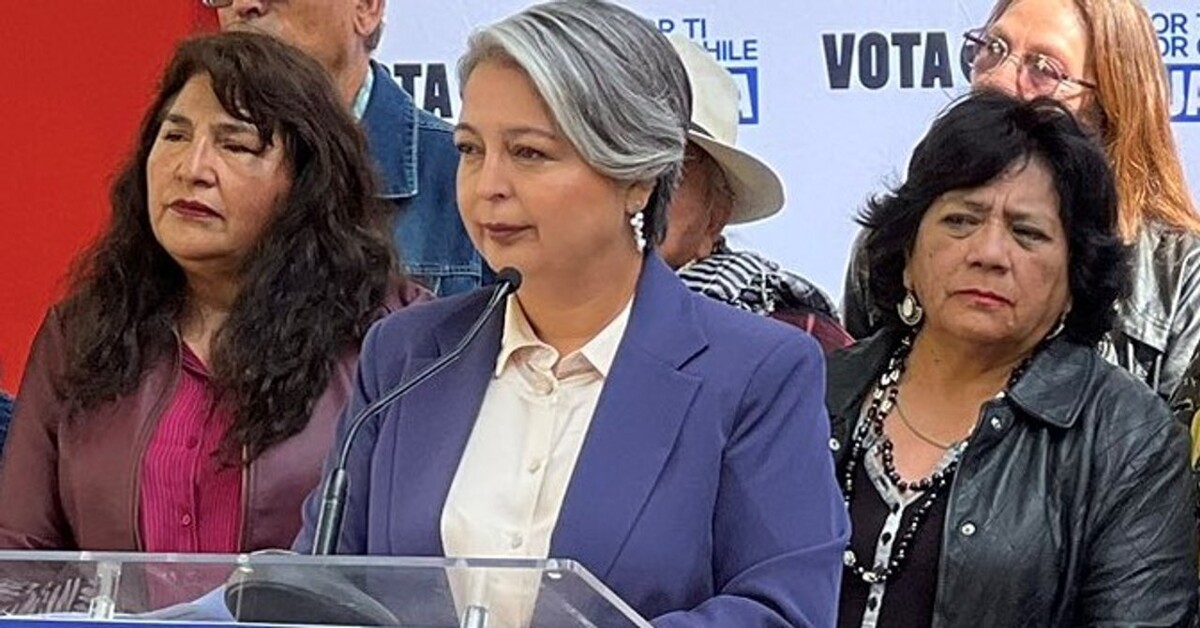
Chile is set to hold significant elections to choose a new president and members of parliament. The electoral campaign is designed to encourage citizens to vote based on informed decisions. Authorities emphasize that, beyond the obligation to vote, it is also the duty of every citizen to defend and build democracy daily. The final presidential debate, which featured eight candidates, focused on key issues such as security, combating illegal money, and a firm stance on migration. According to Chile's Electoral Service (Servel), approximately 15.7 million people are eligible to vote. The leading presidential candidates, the ruling bloc's Jeannette Jara and conservative José Antonio Kast, concluded their campaigns with mutual accusations. Jara promised that under her government, every Chilean family would be able to make ends meet, while Kast called for the creation of an 'emergency government' to tackle crime. He stated, "We want a country where the criminal fears and the citizen walks free." "Without order there is no freedom, and without freedom there is no future," he emphasized.
"We have also developed, and it is one of the reasons we are here, an important campaign for people to vote informed," said Figueroa. In turn, the spokeswoman for the Chilean government, Camila Vallejo, added that, beyond the obligation to vote, "it is a duty of our citizenship to defend and build democracy day by day." "The duty to be informed is key, an informed citizenship and a citizenship that contributes to building a stronger, more robust democracy, which allows us to progressively develop a better life for our compatriots," she affirmed.