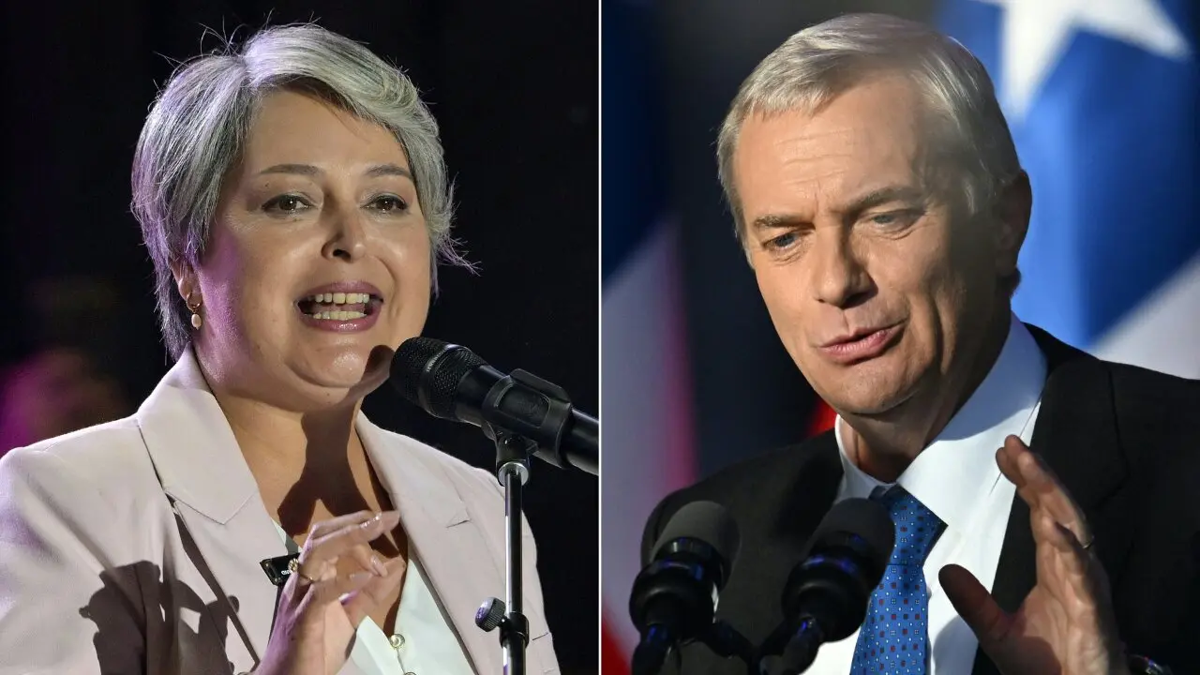
More than 15.6 million Chileans were eligible to vote on Sunday in the second round of presidential elections that pitted incumbent President Jeannette Jara against right-wing leader José Antonio Kast, in a climate of high political tension and strong social polarization.
This presidential runoff in Chile marks one of the most decisive moments in the country's recent political history. Polls closed at 18:00 local time (21:00 GMT), and it was expected that the first official results would be known around 20:00. Despite the marked climate of division, the electoral process proceeded with relative normality.
On this day, not only the future president was decided, but also the political and social course of Chile for the next four years. Both the right and the left awaited with attention the evolution of the figures, which would define the future of the country.
The runoff pitted two opposing models against each other: on one hand, Jara, representing the left-wing coalition 'Unity for Chile' and former Minister of Labor in the government of Gabriel Boric, who won the first round on November 16 with 26.8% of the vote. On the other hand, Kast, from the right-wing Republican party, who came in second in that round but consolidated the support of conservative forces and is seen by many analysts as the favorite to win the presidency.
A Kast victory could represent the possible rise to power of a hard-right figure in Chile, something not seen since the return to democracy in 1990, and could mark a significant shift in the country's public policies on security, migration, and the economy.
Kast's campaign focused on issues of security, migration, and economic reform, appealing to the discontent of broad sectors of society due to the perception of increased crime and challenges in migration policy.
The conservative leader, known for his hardline stance on these issues and his admiration for strong political figures, has consolidated the support of the traditional right and more conservative formations, making him the main candidate with a chance to replace President Boric from March 11, 2026.
Meanwhile, Jara tried to consolidate the progressive and moderate vote by appealing to her management experience and the defense of social policies, although she faced challenges in expanding her support base beyond her traditional bloc, especially due to voters' concerns about security and the economy.
This presidential runoff in Chile takes place in the context of the reinstatement of compulsory voting following a constitutional reform in effect since December 2022, which requires the participation of all eligible citizens or fines for not voting.